Coquette Christmas Bow Embroidery Design Review
As an embroidery designer with years of experience working on custom projects and digital assets for small businesses, I always approach a new design with a critical eye. The Coquette Christmas Bow Embroidery Design is no exception. This design caught my attention not just for its festive charm but for the way it balances elegance with practicality—two essential traits for any embroidery file that's going to be used in real-world applications.
A First Glance at the Design
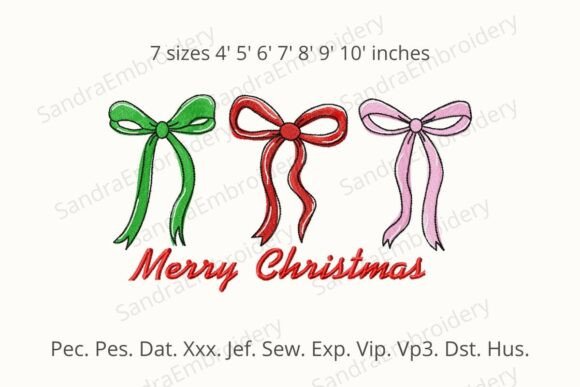
Right from the start, the Coquette Christmas Bow exudes a soft, romantic vibe. It’s a classic bow shape, layered with gentle curves and subtle details that suggest a hand-drawn aesthetic. The design doesn’t scream "Christmas," which is actually a plus—it brings a sense of sophistication to holiday-themed items without feeling over-the-top or kitschy. That makes it versatile for both personal gifts and commercial products where subtlety is key.
The layout is clean and centered, making it easy to position on various fabric surfaces. While there are no specific stitch counts or file formats listed, the overall structure suggests it's designed for machine embroidery. The level of detail isn’t too intricate, which is great if you're planning to use it on smaller items like embroidered patches or caps. However, for larger projects like tote bags or sweatshirts, the lack of density might require some tweaking to ensure it stands out.
Real-Life Project Application
I recently tested this design on a few different project types to see how it would hold up under actual stitching conditions. One of the first things I tried was applying it to a custom sweatshirt embroidery. The bow looked lovely on a light gray crewneck, especially when paired with red thread colors. It didn’t overwhelm the garment, which is important for designs intended to complement rather than dominate.
Next, I stitched it onto a white tote bag design as part of a boutique product line. Here, the design really shone. The satin stitches created a smooth, polished look that felt professional yet cozy. It added a touch of refinement to what could otherwise be a simple, utilitarian item. Customers loved the understated holiday feel and asked about using similar designs for their own personalized gifts.
I also tried it on a holiday gift tag, using a black background to test contrast. The results were impressive: the bow maintained clarity and visual appeal even when reversed out in white thread. That kind of flexibility is rare and valuable for designers who want to offer variations in their handmade products.
Where It Shines Best
This design works particularly well on medium to large-sized items such as:
- Pillow covers and tea towels—where a soft, elegant motif adds charm without being too busy.
- Baby clothes and nursery decor—its delicate nature fits perfectly into gender-neutral or girl-focused themes.
- Embroidered patches—especially when placed on denim jackets or accessories where a minimalist bow can make a statement.
- Caps and hats—if the hoop size allows, the bow looks fantastic on curved surfaces, adding a festive flair without overwhelming the wearer’s view.
For craft business owners and Etsy sellers, this design could be a great addition to your seasonal offerings. Its ability to work across multiple color schemes means you can create a range of products that still maintain a cohesive theme, which is essential for brand consistency.
Use with Caution: When It Might Not Be Ideal
While the Coquette Christmas Bow Embroidery Design has many strengths, it’s not without limitations. If you're working with small hoop sizes, you may need to scale it down carefully. Because the bow has several layers and subtle gradients, reducing it too much can cause the individual elements to blur together, making the final result less clear.
Also, consider the fabric texture before using this design. On textured fabrics or those with a rough weave, the bow might lose some of its smooth, polished appearance. Similarly, thin or stretchy fabrics could distort the shape during stitching, especially if the stabilizer isn't properly applied.
If you're thinking of using it on dark fabric backgrounds, take time to choose thread colors that will pop. The default color palette (which isn’t specified here) may not always translate well, so experimenting with color combinations is crucial. And for items that get frequent washing, like aprons or kitchen towels, you’ll want to confirm that the stitch density and stabilizer choice will keep the design intact through repeated use.
Visual Appeal and Customer Reaction
One thing I’ve learned in running a craft-based business is that customers often judge a product by how it looks after stitching. The Coquette Christmas Bow has a certain visual personality—it feels like something you'd find in a high-end boutique rather than a mass-produced store item. That gives it a unique edge in today’s market, where handmade presentation and design assets matter more than ever.
When I showed it to potential buyers as part of a printable mockup, they responded positively. It had enough character to stand out, but wasn’t so bold that it felt unisex or inappropriate for any age group. For personalized gifts and custom apparel, this balance is everything. It invites engagement and creates a sense of warmth and thoughtfulness that’s hard to replicate with generic designs.
Designer Notes for Real Use
Before jumping into production, I recommend these steps to ensure the best possible outcome:
- Test on scrap fabric to check how the stitches lay and whether the design holds up under tension.
- Review the stitch density—this design appears to be moderately dense, but depending on your machine and fabric, you might want to adjust.
- Confirm the recommended hoop size if available. Without this info, experiment with different sizes to find the sweet spot.
- Inspect small details—like the loops and ribbon ends—to see if they remain sharp and defined after stitching.
- Try it in a black and white mockup to evaluate contrast and readability, especially if you're considering using it on darker or patterned fabrics.
- Always use the correct stabilizer for your material. A poor choice here can lead to puckering or distortion.
- If you plan to sell finished items or digital embroidery files, double-check licensing terms. Make sure you’re allowed to resell or distribute the design commercially.
Final Thoughts for Crafters and Business Owners
In the world of machine embroidery design, not every file translates well from screen to fabric. The Coquette Christmas Bow Embroidery Design passes that test with flying colors. It brings a sense of curated style to any project, which is exactly what creative entrepreneurs and handmade shop owners are looking for when creating something special for clients or customers.
Whether you're preparing a holiday gift or building a collection of small shop product designs, this bow has the potential to elevate your offerings. Just remember to consider the surface, the scale, and the context. With the right adjustments and a bit of care, it can become a staple in your embroidery project lineup—adding a touch of class to your finished product and helping build customer trust in your brand’s quality.
So go ahead—give it a try. But don’t skip the test run. In our line of work, precision and adaptability are just as important as creativity.